What is Ecological Connectivity?
Ecological connectivity is the flow of life that links land, water, and tmixʷ | tmícw (all living things). When tmixʷ | tmícw can move freely, nature stays healthy. Across the Thompson–Okanagan in Secwépemc, Syilx and Nlaka'pamux territories, these connections are under pressure. But together we can help restore the flow.
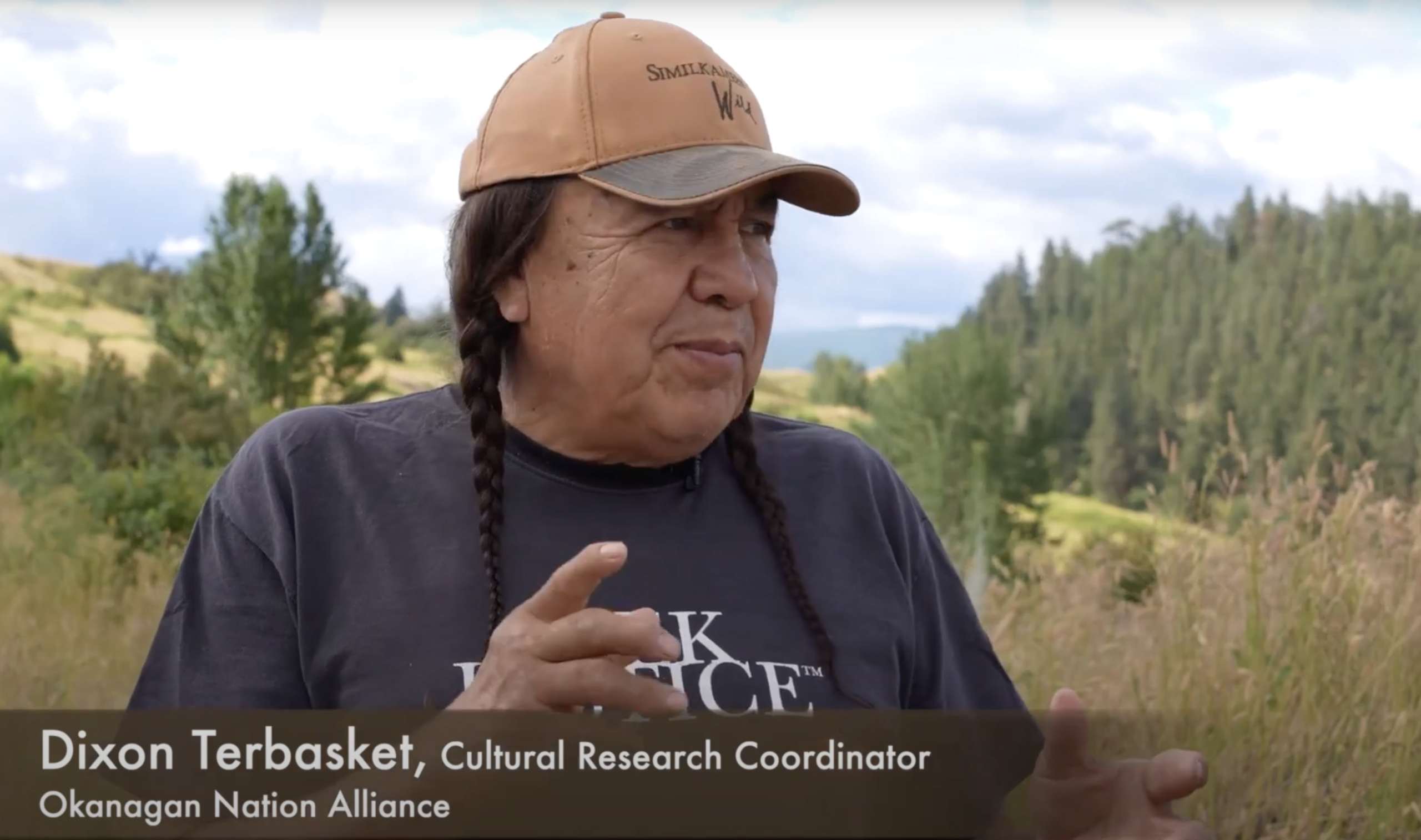
Watch
Photo by Okanagan Collaborative Conservation Program
How Life Moves
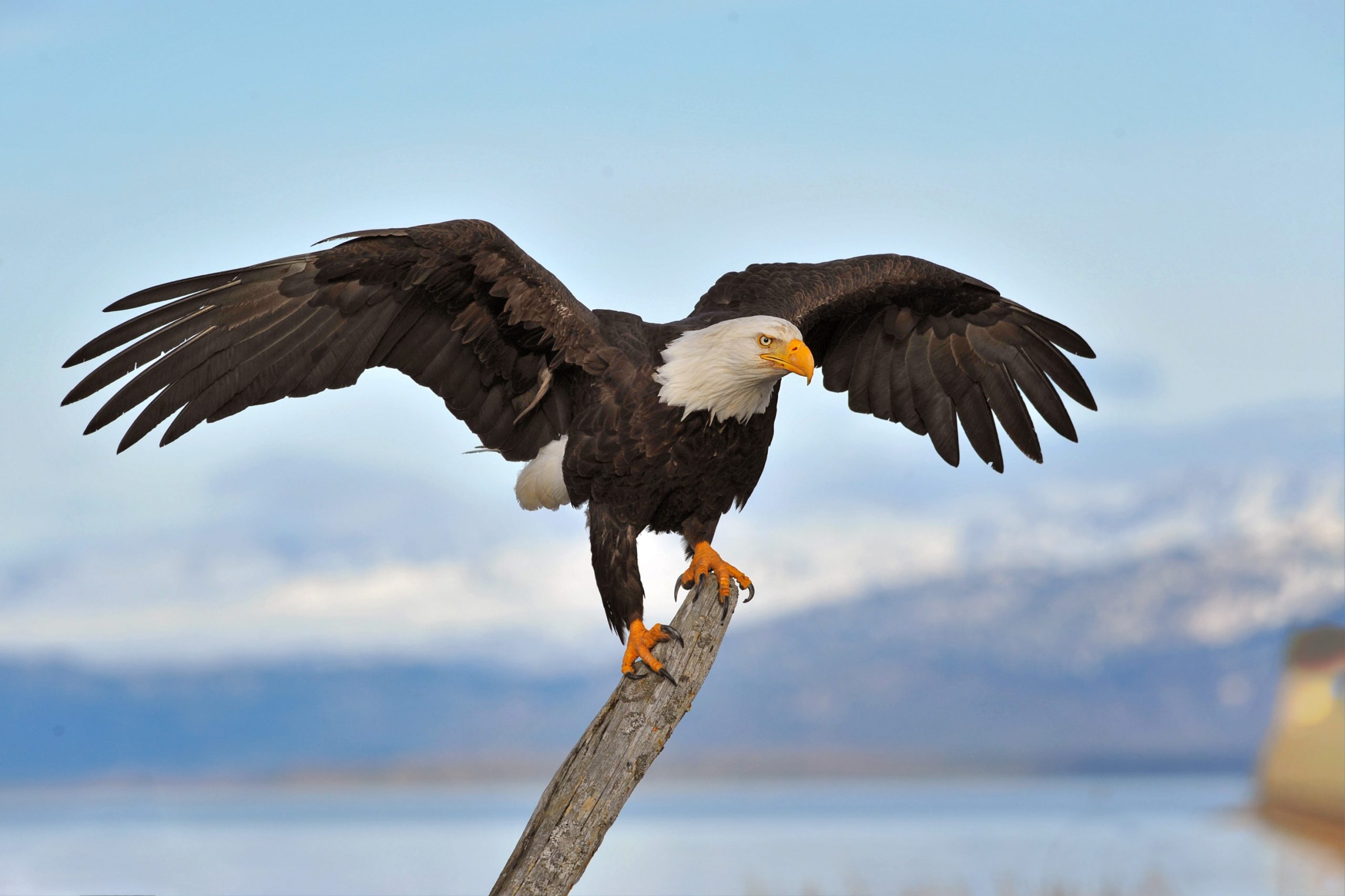
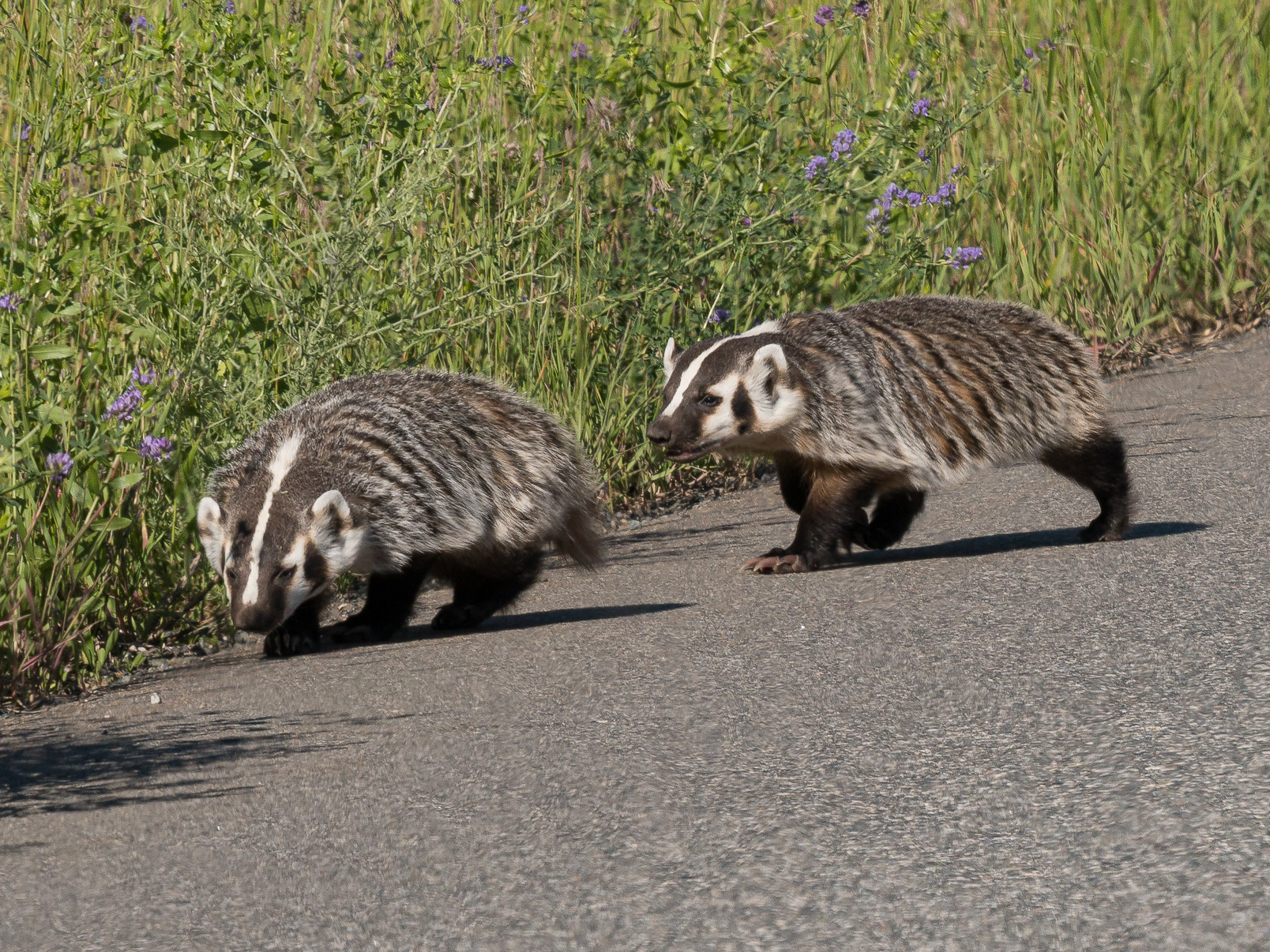
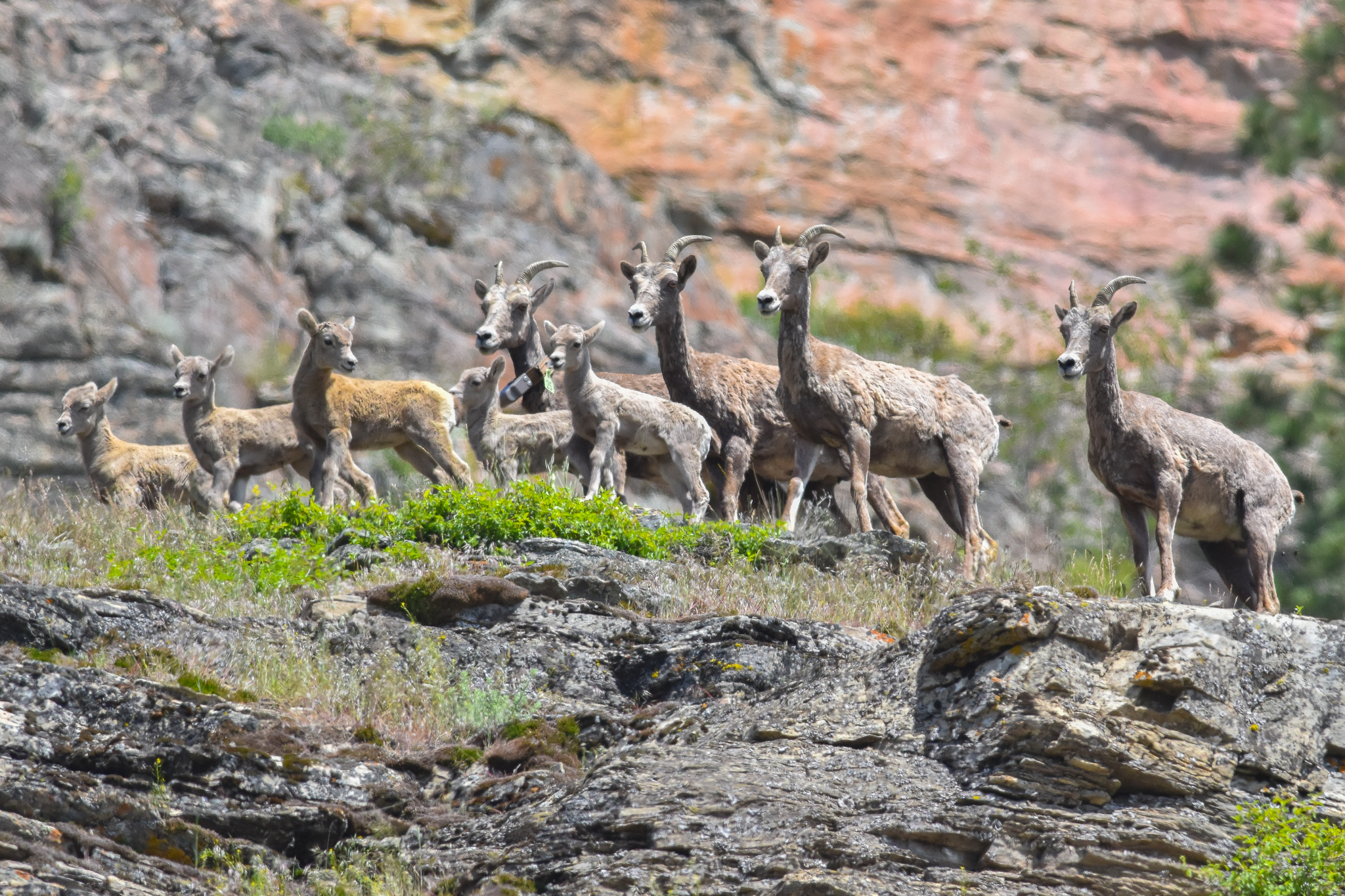
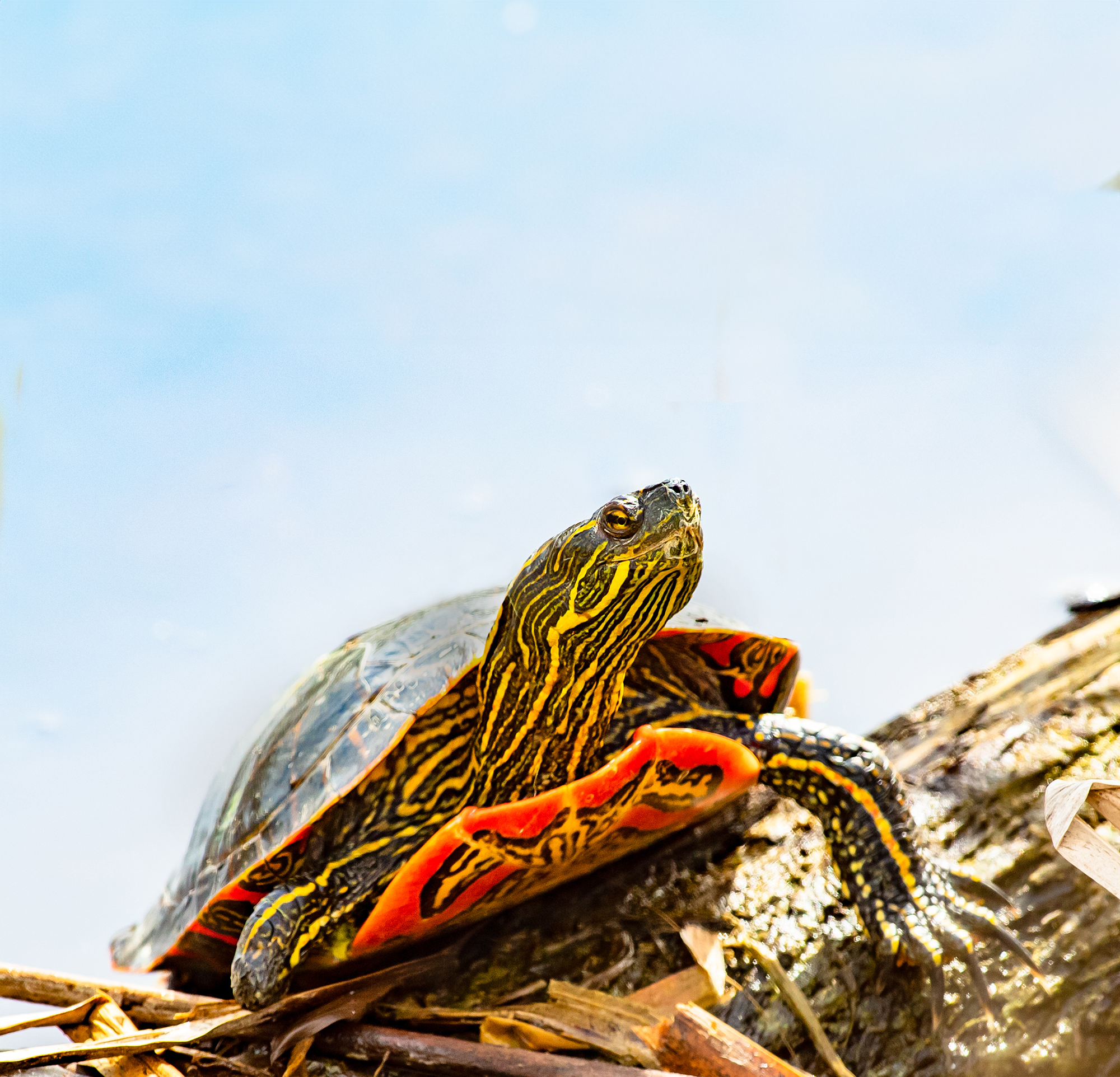
Everything on Earth is connected — by rivers that flow, wind that carries seeds, and trails that animals have followed for generations. Western scientists call these pathways ecological corridors. Indigenous Nations know them as the way life moves through the land and water.
In The Air
Below Ground
On the Land
Through Water
Keeping Nature Connected Series
Part One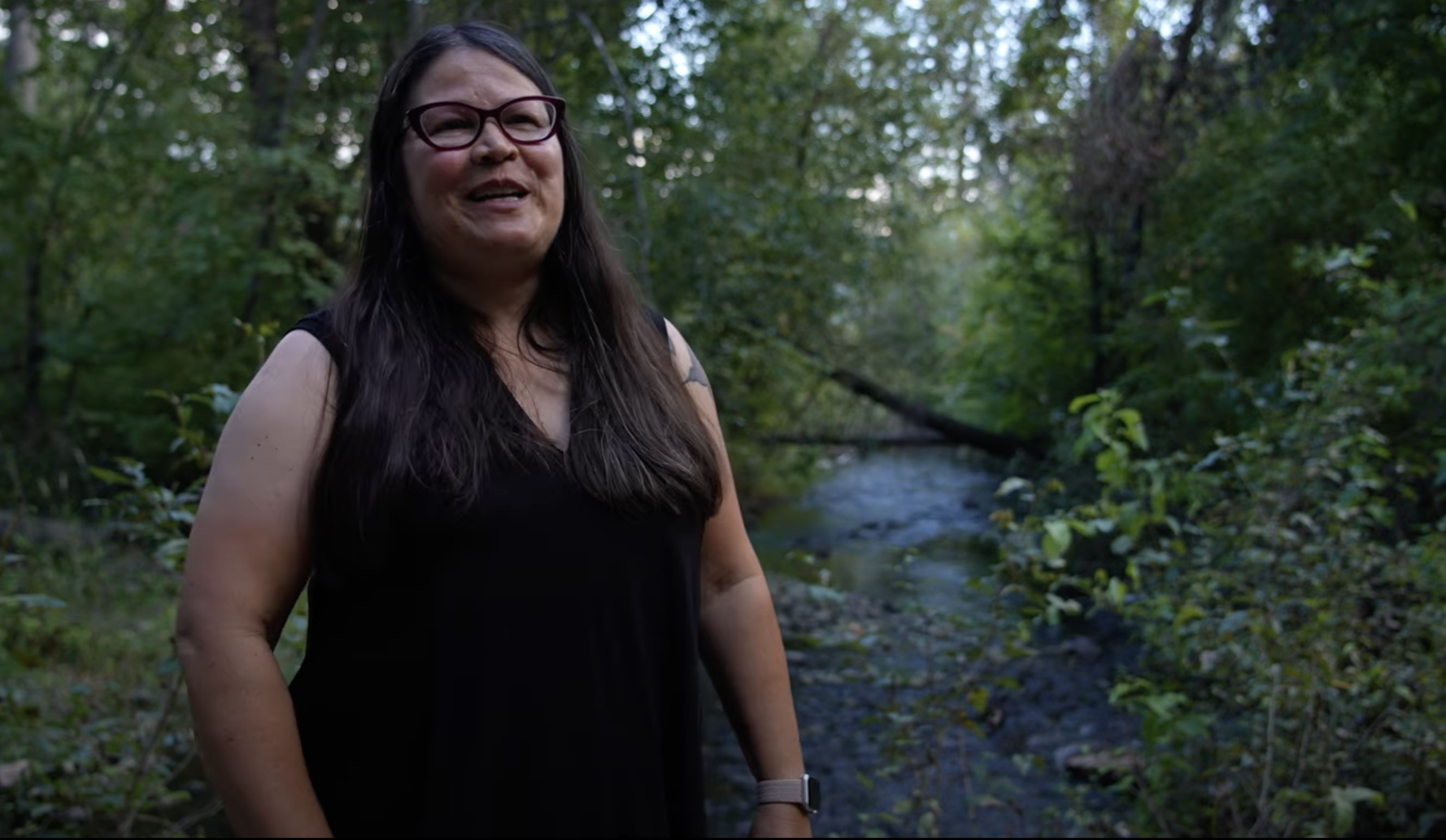
"When we care for the land, it cares for us. Keeping nature connected means our children can still drink clean water and hear the sounds of life all around them."
What Breaks the Connection
Over time, natural pathways that connect life have been interrupted. Roads, railway, fences, dams and development divive continuous landscapes and waterways into disconnected patches. When these connections are lost, the land and all life that depends on it begin to struggle. Animals can’t move safely between feeding and breeding areas. Fish are blocked from reaching the waters they’ve returned to for generations. Wildlife ends up on busy roads, increasing the risk of collisions that can harm both animals and people.
In 2023 in BC, 1,070 injuries resulted from 12,825 crashes where animals were involved.
The true number of collisions could be 2-3 times higher due to under-reporting
Restoring the Flow
Across the region, First Nations, communities and partners are actively restoring the pathways that keep nature connected. These efforts make the land healthier, safer, and more resilient — for wildlife and for our communities. Big actions happen on the land and water, alongside critical steps taken close to home. Together these efforts help bring back the natural flow of life.
White Lake wildlife ecopassage photo by A M Bezener, Okanagan Collaborative Conservation Program
Big Actions...
Large‑scale projects across the Thompson–Okanagan are restoring the pathways that wildlife, water, and plants depend on. These efforts protect entire landscapes, reconnect fish‑bearing creeks and rivers, and make travel safer for both animals and people. Together, they keep the natural flow of life moving across the region.
Cultural Connections
For Indigenous People, connectivity is not a new idea.
It is embedded in language, teachings, and stewardship practices that recognize relationships among tmixʷ | tmícw (all living things).
Keeping nature connected is about more than wildlife — it is about responsibility, reciprocity, and resilience for future generations.
How You Can Help
Keeping nature connected starts close to home.
Small actions — like slowing down in wildlife zones, planting native species, reporting wildlife sightings, or supporting restoration efforts — all contribute to healthier landscapes.
Connection is everyone’s responsibility.
Featured Project
Okanagan Mountain Kalamalka Lake Corridor
This corridor is one of the last remaining movement routes in the Okanagan Valley that connects the high-elevation forests of Okanagan Mountain to the grasslands and riparian areas around Kalamalka Lake. Wildlife depend on it to reach food, water, and seasonal habitat.
But with increasing development, this connection is at risk. Protecting and restoring this corridor helps keep water clean, supports native plants, and maintains the web of life that depends on open, connected land.
Featured Story
Protecting Species at Risk on the Move in Skeetchestn Territory
As wildlife navigate increasingly fragmented landscapes, Skeetchestn Natural Resources LLP. (SNR) is taking a creative, community-driven approach to keeping animals—and drivers—safe on the roads that cross key ecological corridors in Secwépemc territory. SNRC’s work is part of a growing Indigenous-led effort to restore and maintain ecological connectivity across the Thompson region, where highways, rail lines, and service corridors intersect with...
Read More
Featured Story
Okanagan Lake Dam Salmon Passage Opens
On August 18, 2025, for the first time in generations, salmon can now swim freely from the Okanagan River into Okanagan Lake and 13 of its tributaries — reconnecting over 350 square kilometres of habitat. Led by the Syilx Nation through the Okanagan Nation Alliance (ONA), this project restores migration routes that were blocked for more than a century, helping...
Read More
Stories
Explore short stories and updates highlighting restoration work, community efforts and Indigenous-led initiatives supporting connected, healthy lands and water.
Interact